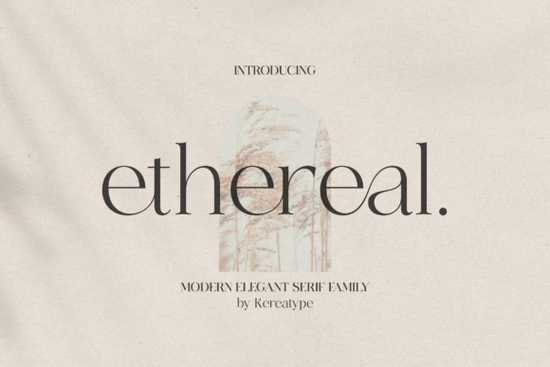
If you need a serif font that blends classic elegance with a modern edge, the Ethereal Font is worth a close look. Designed as a versatile Serif Family with multiple weights, it brings together fashionable lines, refined curves, and subtle stylish extras that feel both fresh and timeless. Whether you’re creating brand identities, logos, or packaging, this font gives you a classy foundation without being fussy.
But how does it actually perform in real projects? Let’s break down what makes this font useful for designers, small business owners, and print-on-demand sellers.
What makes Ethereal Font different from other serif fonts?
Serif fonts are everywhere, but many lean too traditional or too quirky. Ethereal finds a sweet spot. Its strong contrast between thick and thin strokes gives it a fashionable silhouette, while the soft, flowing serifs keep it readable. The family includes various weights from light to bold so you can build hierarchy without switching typefaces. This means your headlines, subheads, and body text can all work together smoothly.
Another practical difference: it’s PUA encoded. That sounds technical, but it simply means you can access all the swashes, ligatures, and alternate glyphs right from your font menu in programs like Canva, Illustrator, or Photoshop. No extra software needed.
Is it easy to use for everyday projects?
Yes. Because the font comes with multiple weights and stylistic extras, you don’t have to hunt for matching fonts. For example, use the regular weight for body copy and the bold weight for headings. The extra swashes are especially helpful when you want to add a decorative touch to a logo or a quote without manually drawing anything.
How can I use Ethereal Font for branding and logos?
Branding relies on consistency and distinctiveness. With Ethereal, you can create a cohesive look across your visual identity. The elegant serifs work well for luxury brands, beauty products, boutique hotels, stationery lines, and wedding invitations. The stylized swashes can become part of a custom logo mark for instance, a swooping tail under a company name.
If you’re a print-on-demand seller, this font can help your mockups stand out. Try it on minimalist t-shirt text, coffee mug quotes, or greeting cards. The natural elegance doesn’t need extra filters or effects it holds its own.
For a different but equally versatile serif, you might compare it with the Luxena Font, which offers a more ornate, decorative approach. Both are PUA encoded, so you can easily swap swashes between projects.
Should I choose Ethereal Font for logo design?
Absolutely but with a few things in mind. Because it has distinct swashes and refined curves, it works best for brands that want to communicate sophistication, creativity, or a handcrafted feel. If your client’s brand needs something very rigid or industrial, a geometric sans might be better. However, for most lifestyle, fashion, or creative businesses, Ethereal gives you that “effortlessly elegant” vibe.
The font includes lowercase and uppercase alternates, so you can mix and match letters to avoid repeating the same look. This is especially valuable when designing a unique monogram or wordmark.
What about readability in small sizes?
Yes, the regular weight stays clean at 12–14px for body text, but the thinner weights may become hard to read below 10px. For small print details (like disclaimers on packaging), use the medium weight. For digital use, test the font on a screen before finalizing some thin serifs may blur on low-resolution displays.
Can Ethereal Font be used for print-on-demand products?
Yes, and it’s a good fit. POD items like notebooks, planners, wall art, and apparel often need a font that looks premium without being overly complex. The Ethereal Font adds a sophisticated touch to quotes and titles. Pair it with simple sans-serif fonts for product descriptions to keep contrast clean. Many sellers use it for inspirational quote prints the swashes can frame the text nicely.
If you’re building a POD brand that uses multiple font families, check out the Ethereal Font product page for the full weight set and licensing details. You might also want to see how it compares with other serif families, such as Luxena, which offers more ornamental flourishes.
Practical checklist before using Ethereal Font
- Test legibility at various sizes especially if you plan to use it on small products (like keychains or pins).
- Access the PUA extras by opening the Glyphs panel in your design software. Look for swashes behind capital & lowercase letters.
- Pair with a clean sans-serif (like Montserrat or Open Sans) for body text to keep layouts balanced.
- Use one weight per project to avoid visual clutter too many weights can look messy.
- Print a sample on your intended substrate (paper, fabric, mug) to see how the thin strokes react.
- Consider the brand’s personality: Ethereal works best for elegant, feminine, or timeless identities.
If you’re still deciding between Ethereal and other serif fonts, try dropping a sample logo into your current project. Sometimes seeing the font in context is the only way to know if it clicks.
Next step: Pick one brand you’re working on, and use the Ethereal Font to create a single logo variation. Compare it with a logo made from your usual serif you might be surprised how much the right weight and swash can shift the feel.
Learn More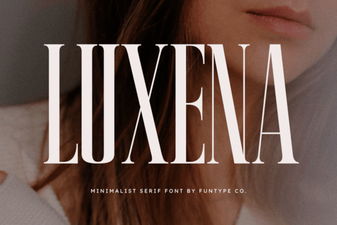 Luxena Font: Elegant Typography for Modern Design
 Mozathia: a Creative Font for Modern Design
 Creative Chunky Fonts for Your Summer Designs
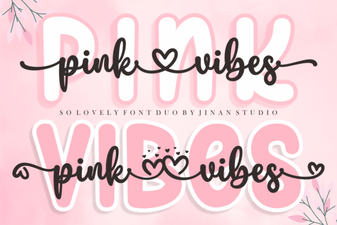 Introducing the Pink Vibes Duo Font Design System
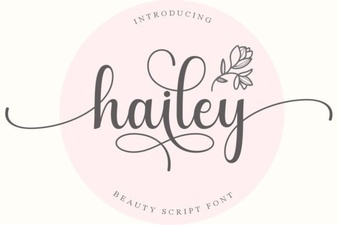 Discover the Creative Power of Hailey Font
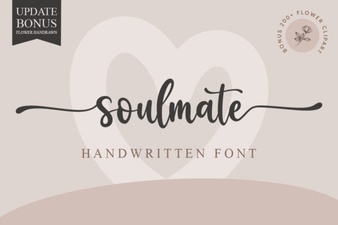 Soulmate Font for Love Letters & Creative Projects